
Ensuring access to affordable, reliable, sustainable and modern energy for all through renewable sources and clean technology adoption.
Building resilient infrastructure, promoting inclusive and sustainable industrialization, and fostering innovation in EV and clean mobility solutions.
Making cities inclusive, safe, resilient and sustainable with clean transportation systems and reduced emissions from urban mobility.
Taking urgent action to combat climate change and its impacts by reducing carbon emissions from transportation through EV adoption.
Strengthening the means of implementation and global partnership for sustainable development through collaborative EV initiatives.
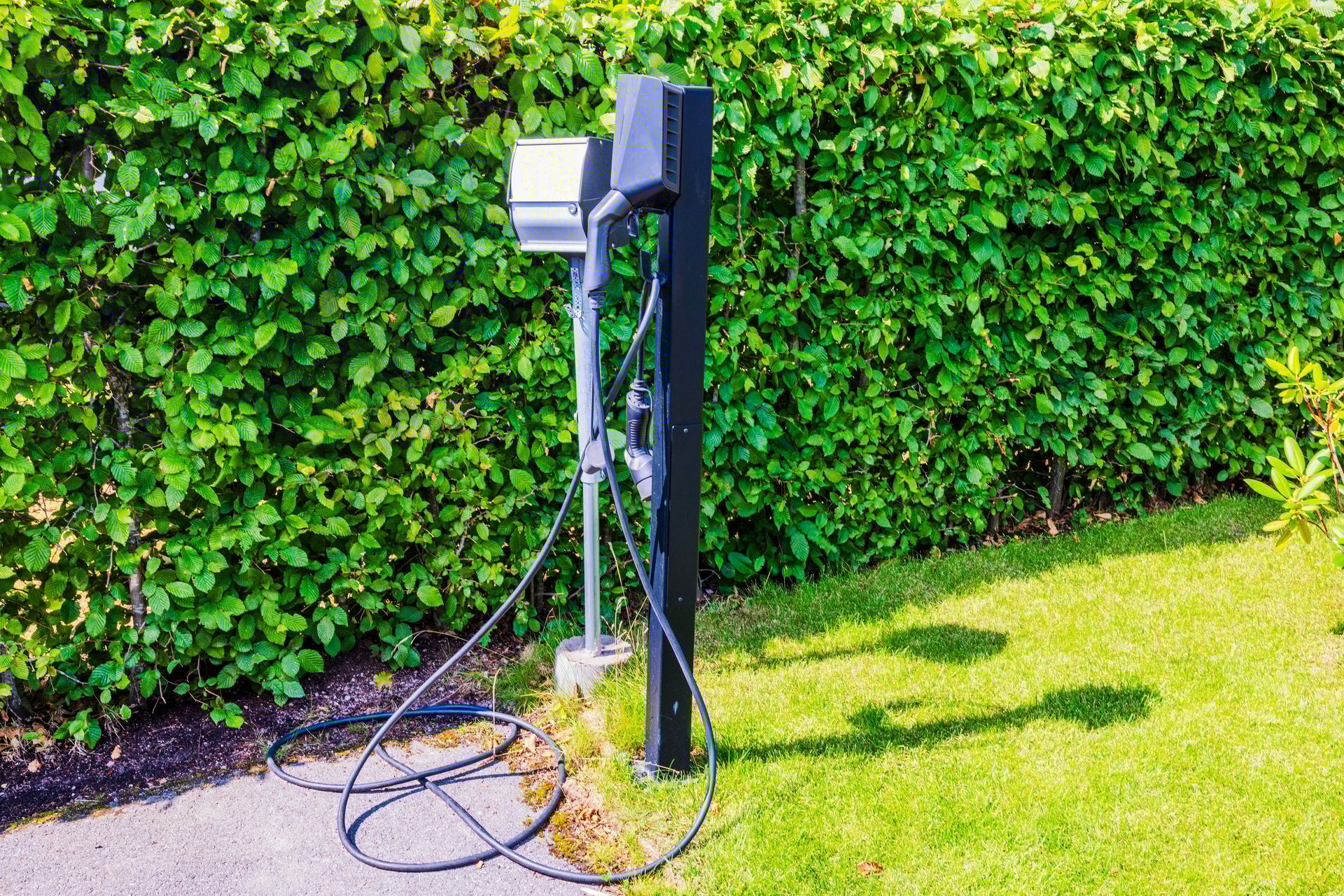
Explore the complete ecosystem powering the future of mobility—from battery technology and charging infrastructure to software systems and sustainable manufacturing.
Understanding the key technologies that make electric vehicles work—from energy storage to propulsion and intelligent systems.
Lithium-ion and solid-state batteries that store and deliver energy to power electric drivetrains.
High-efficiency motors that convert electrical energy into mechanical motion with instant torque.
Networks of charging stations enabling convenient and accessible EV refueling across regions.
Intelligent systems managing vehicle performance, navigation, energy consumption, and connectivity.
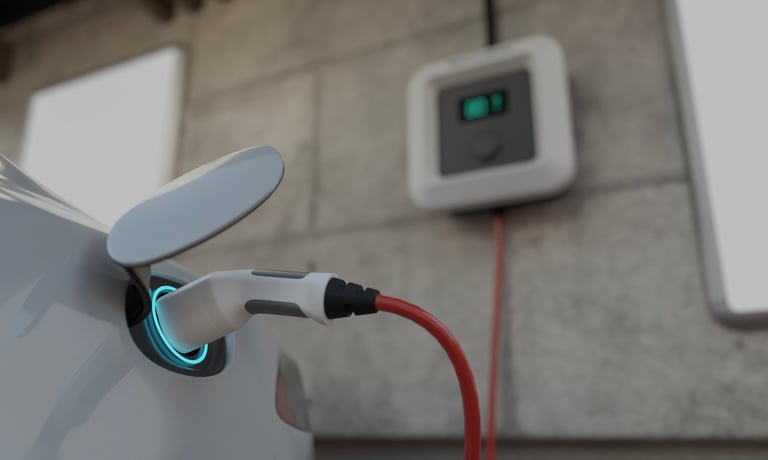
A robust charging infrastructure is the backbone of electric mobility adoption. From home charging to highway corridors, the ecosystem must provide convenient, reliable, and sustainable power for all EV users.
120V Standard Outlet
Best for: Home charging overnight, plug-in hybrids
240V Dedicated Station
Best for: Homes, workplaces, public parking
High-Power Public Stations
Best for: Highway travel, quick top-ups, fleets
The EV ecosystem presents significant opportunities across the entire value chain. Here's where the greatest potential lies for investment and growth.
Deploy and operate EV charging networks across urban areas, highways, and commercial properties.
Combine solar power with EV charging for sustainable, off-grid energy solutions.
Service centers, parts suppliers, and technical training for EV maintenance.
Recover valuable materials from end-of-life batteries for reuse in new energy storage.
Assembly plants, component manufacturing, and supply chain development within Nigeria.
Intelligent energy management systems connecting EVs, charging, and renewable sources.
Battery technology is the most critical component of electric vehicles, determining range, performance, cost, and sustainability. Understanding battery systems is essential for anyone investing in or adopting EVs.
High energy density, long cycle life, dominant technology in current EVs
Lower cost, better safety, longer cycle life, increasingly popular in the EV industry
Higher energy density, faster charging, improved safety—commercialization underway

With Africa's largest economy and rapidly growing energy sector, Nigeria is positioned to become the continent's EV hub. Here's the opportunity landscape.
The African EV market is estimated to reach $1B+ by 2030
Estimated investment needs for ecosystem development
Battery Manufacturers
Charging Operators
EV OEMs
Solar Companies
Financial Institutions
Government Agencies

Electric vehicles are central to sustainable mobility. When powered by renewable energy, EVs can reduce transportation emissions by up to 90% compared to internal combustion vehicles.
Combined with Nigeria's abundant solar potential, EVs offer a path to truly sustainable transportation.
Join NEMES 2026 to explore investment opportunities, connect with industry leaders, and shape the future of sustainable mobility in Nigeria and Africa.
November 11–13, 2026 • Whitestone Events Place, Oniru, Lagos, Nigeria